
Voice of Impact



Voice of Impact
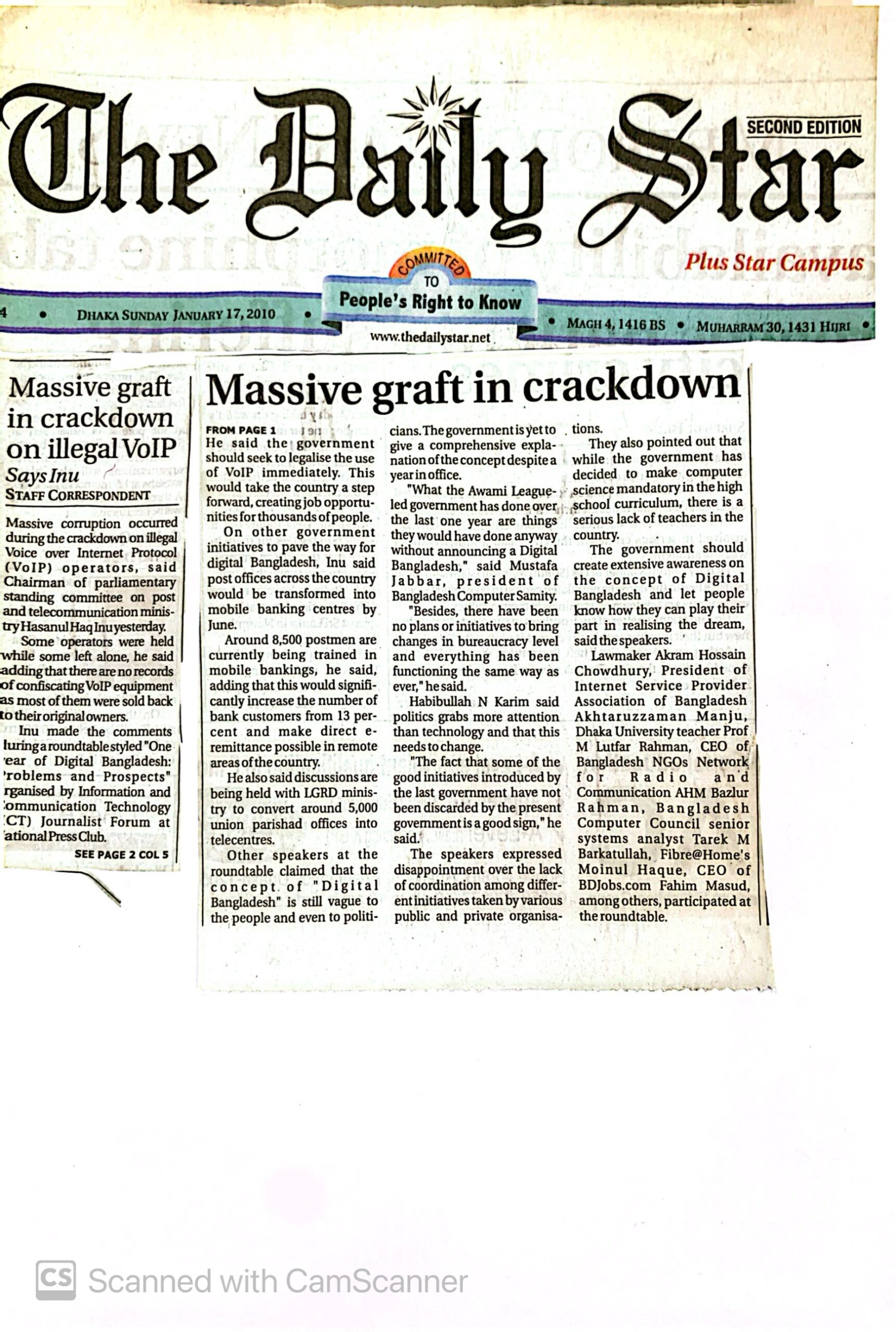
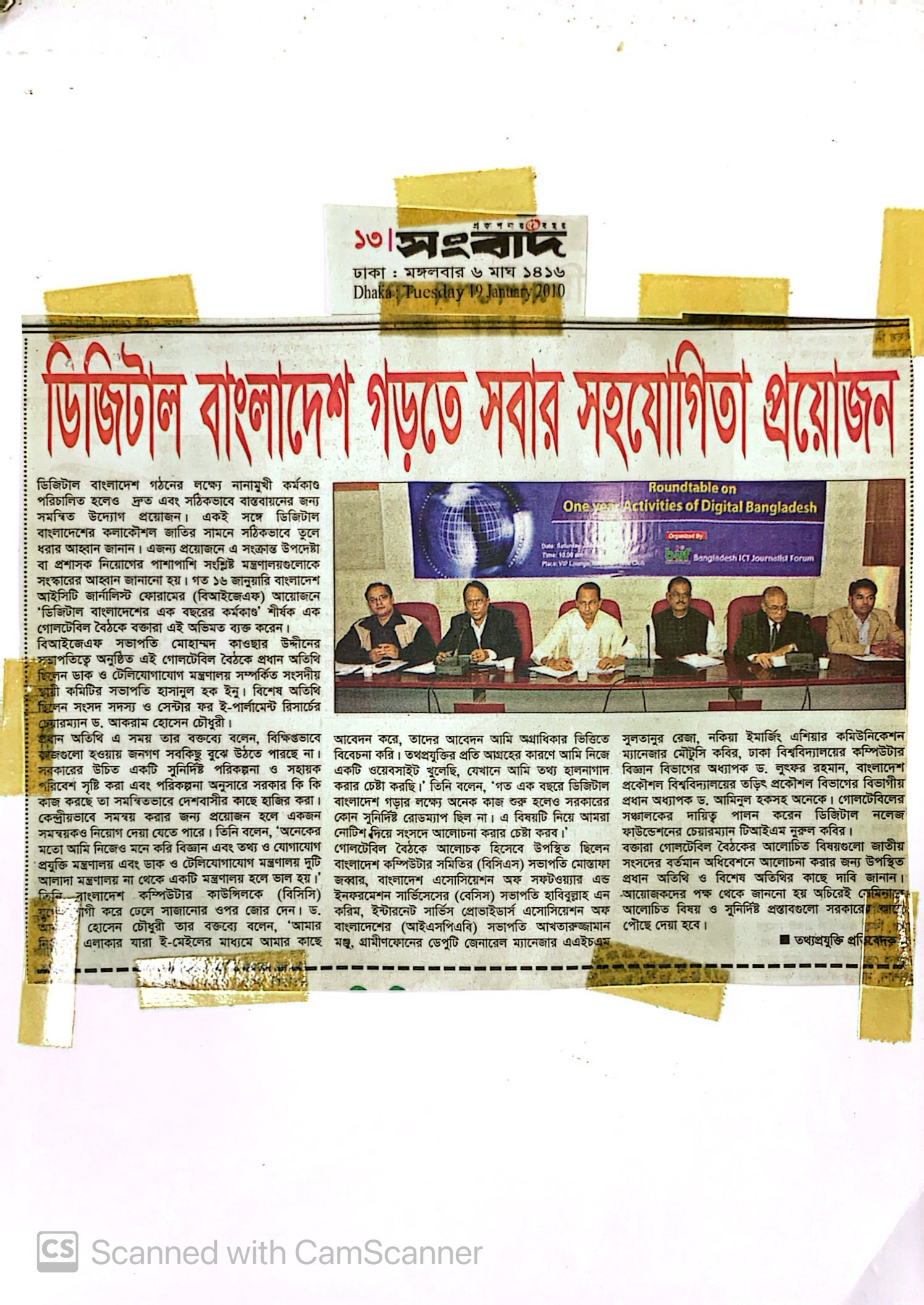
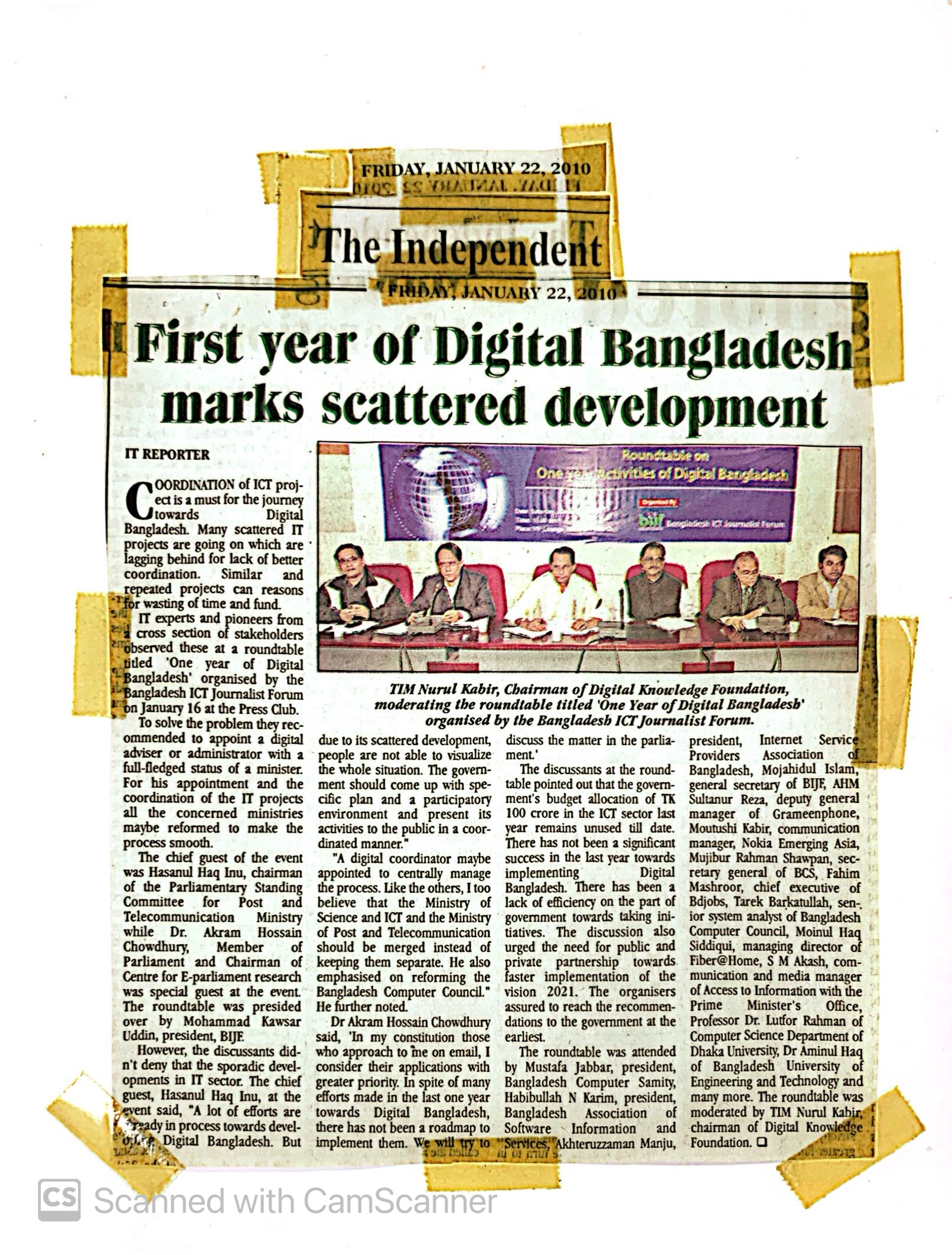
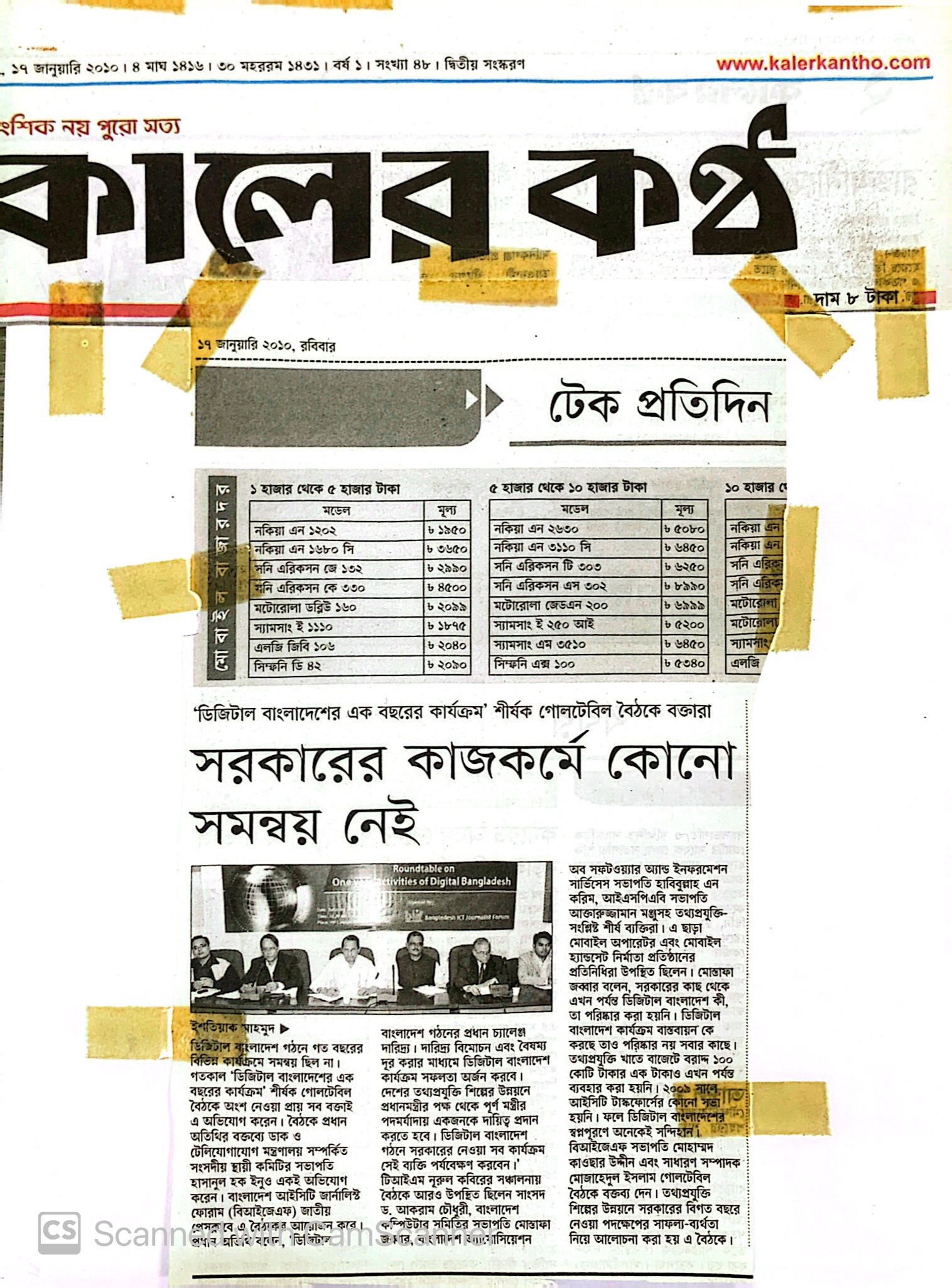
The Royalty Road: How Mojahidul Islam Dheow Turned Pages into Profit
For most authors, publishing a book is a dream. For a lucky few, it becomes a business. In the often-uneasy relationship between creativity and commerce, royalties are the bridge between the two.
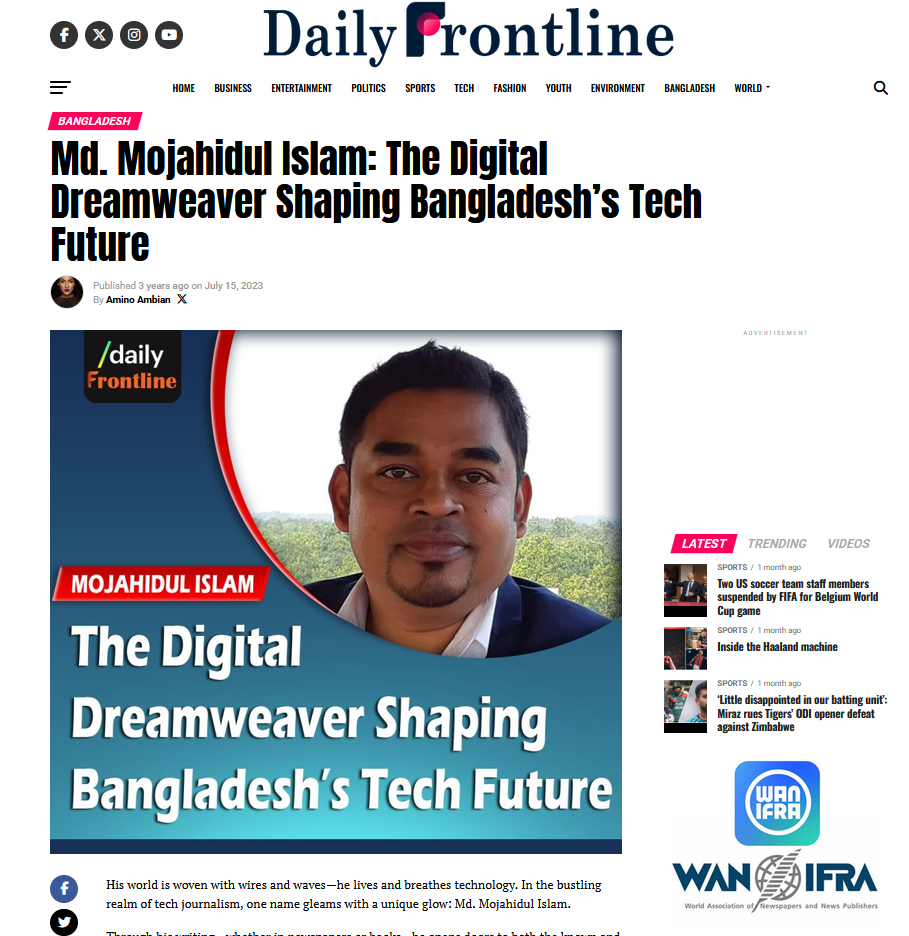
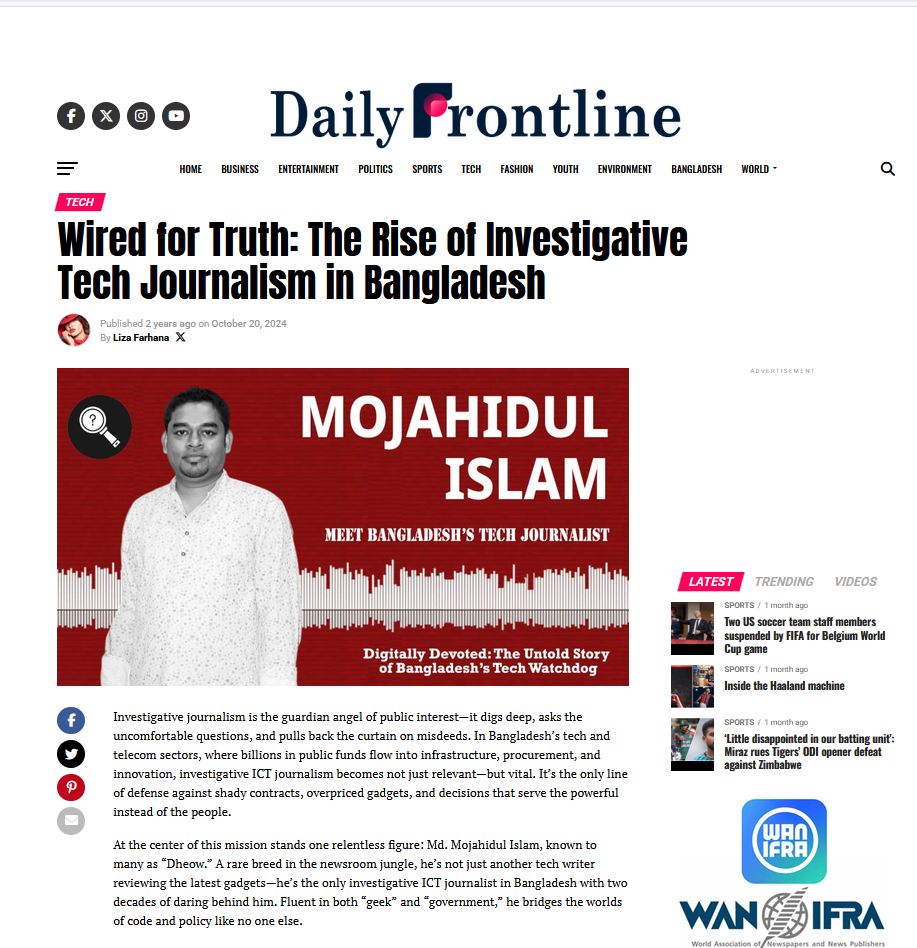
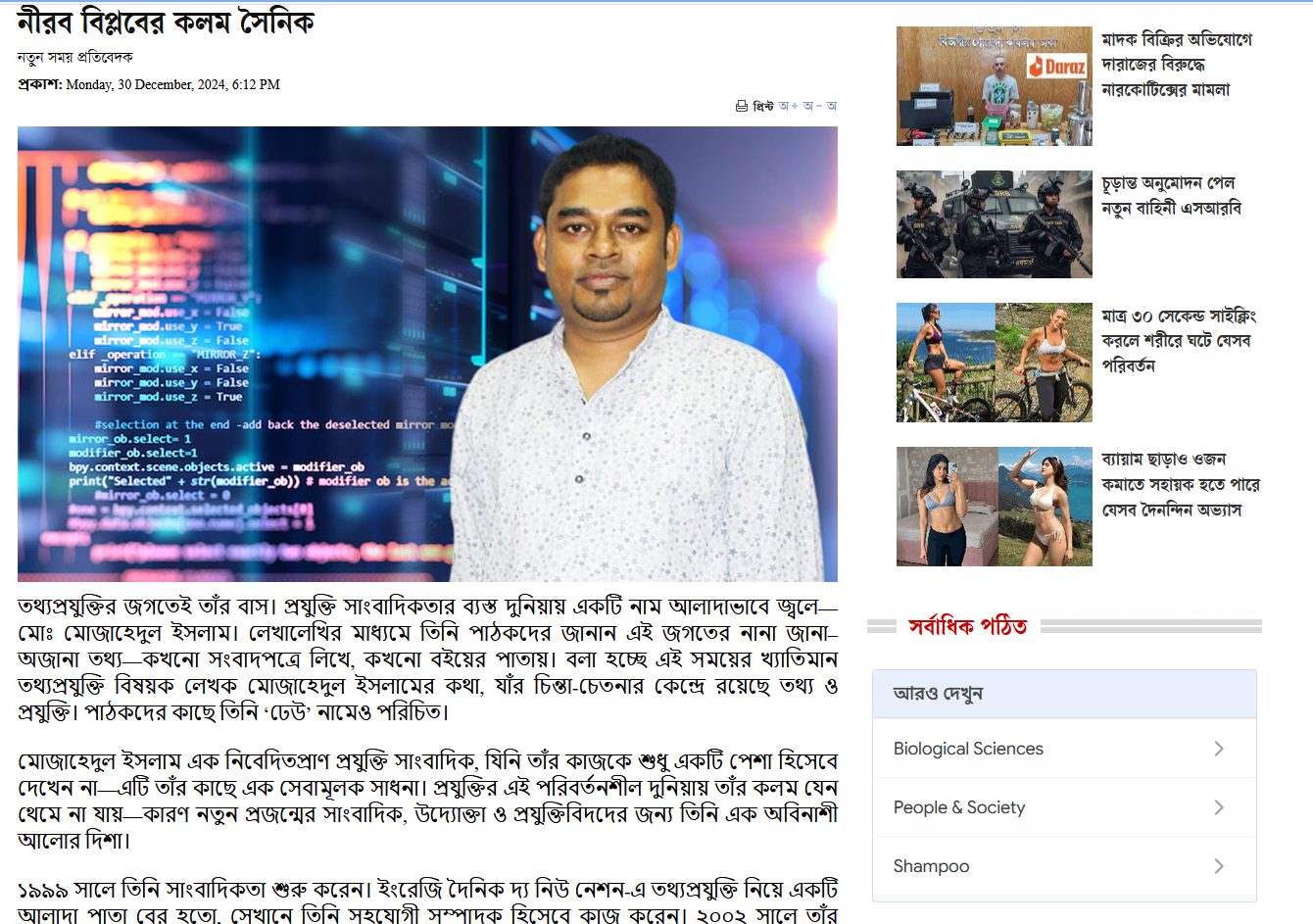
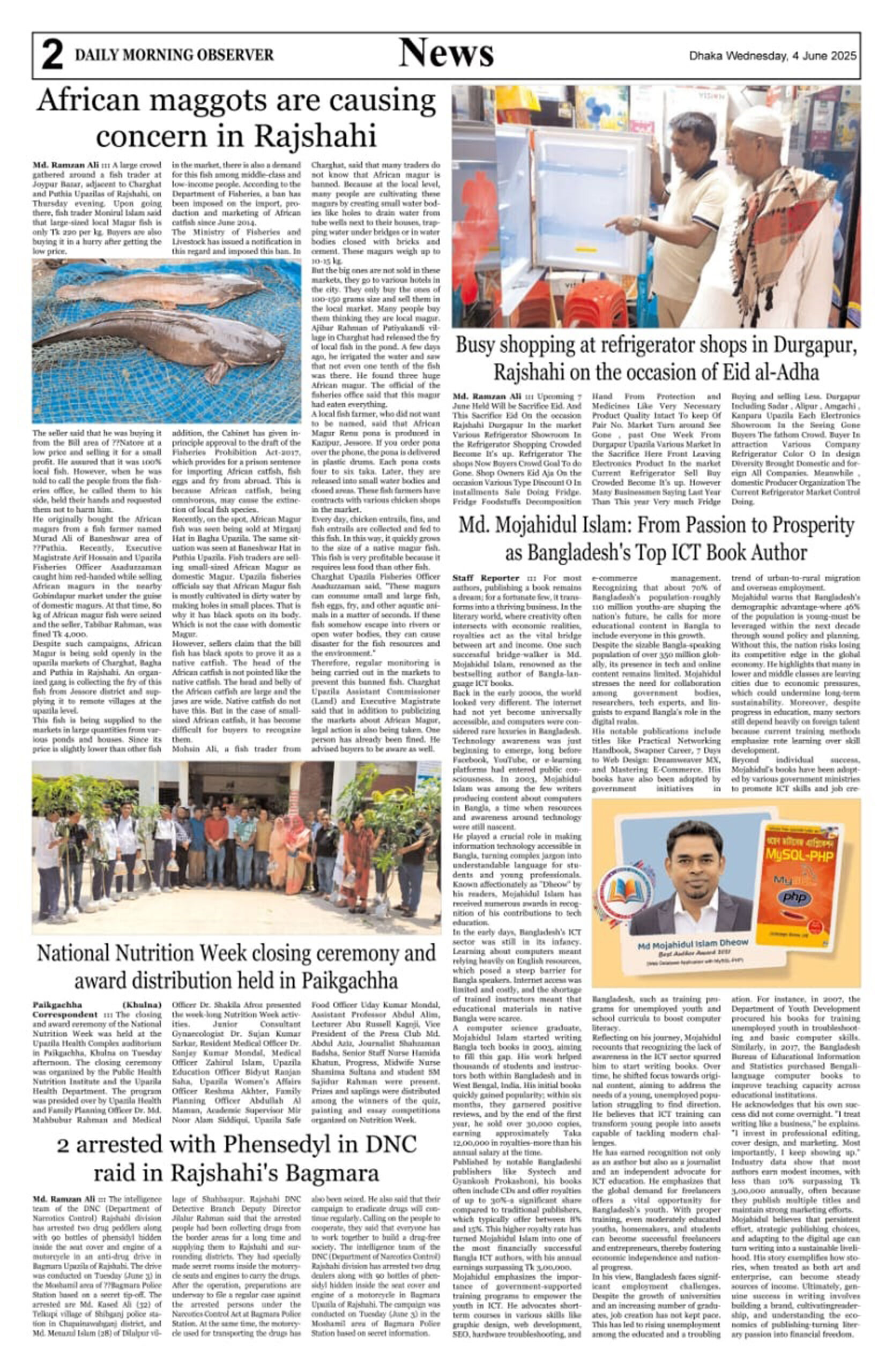
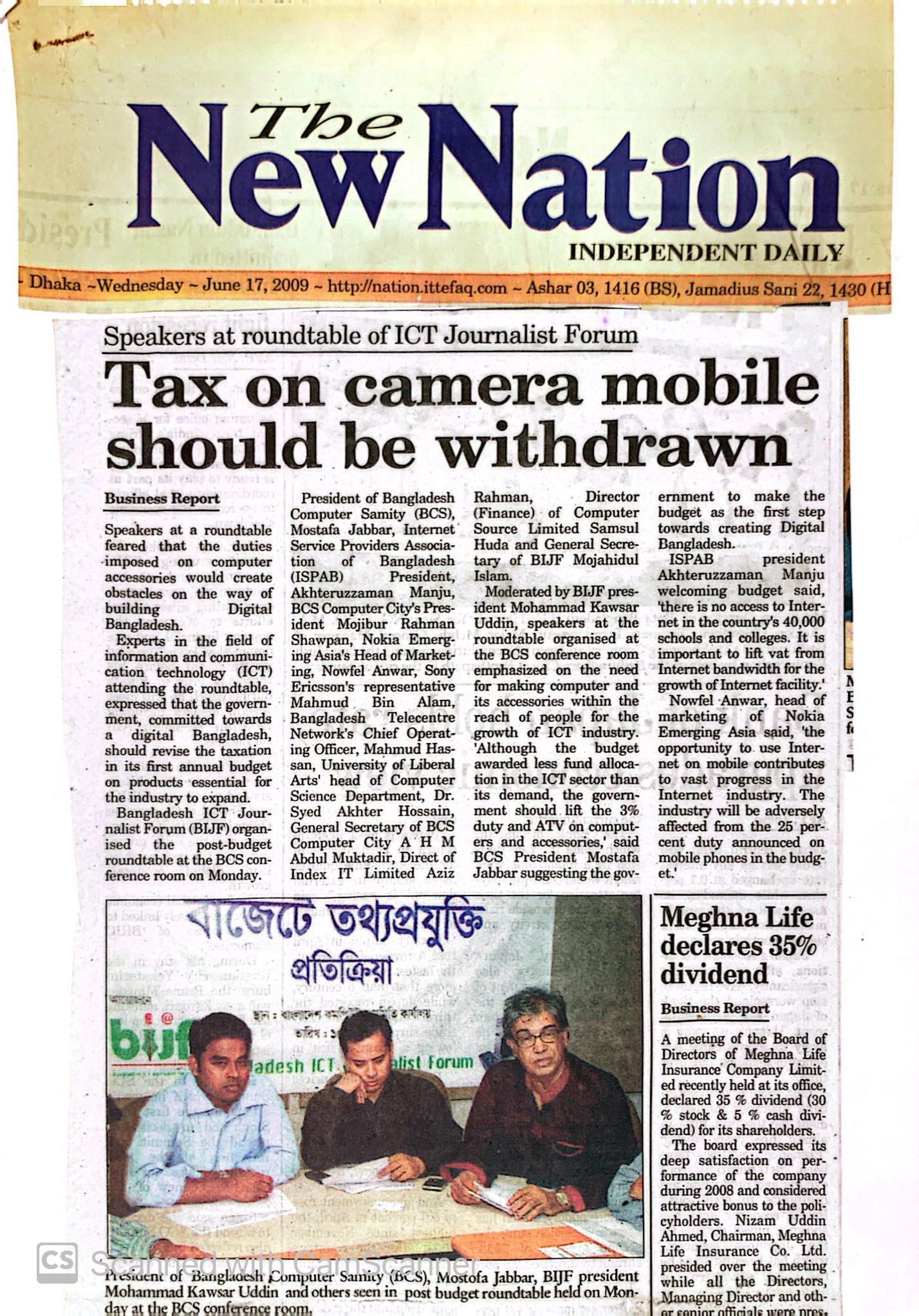
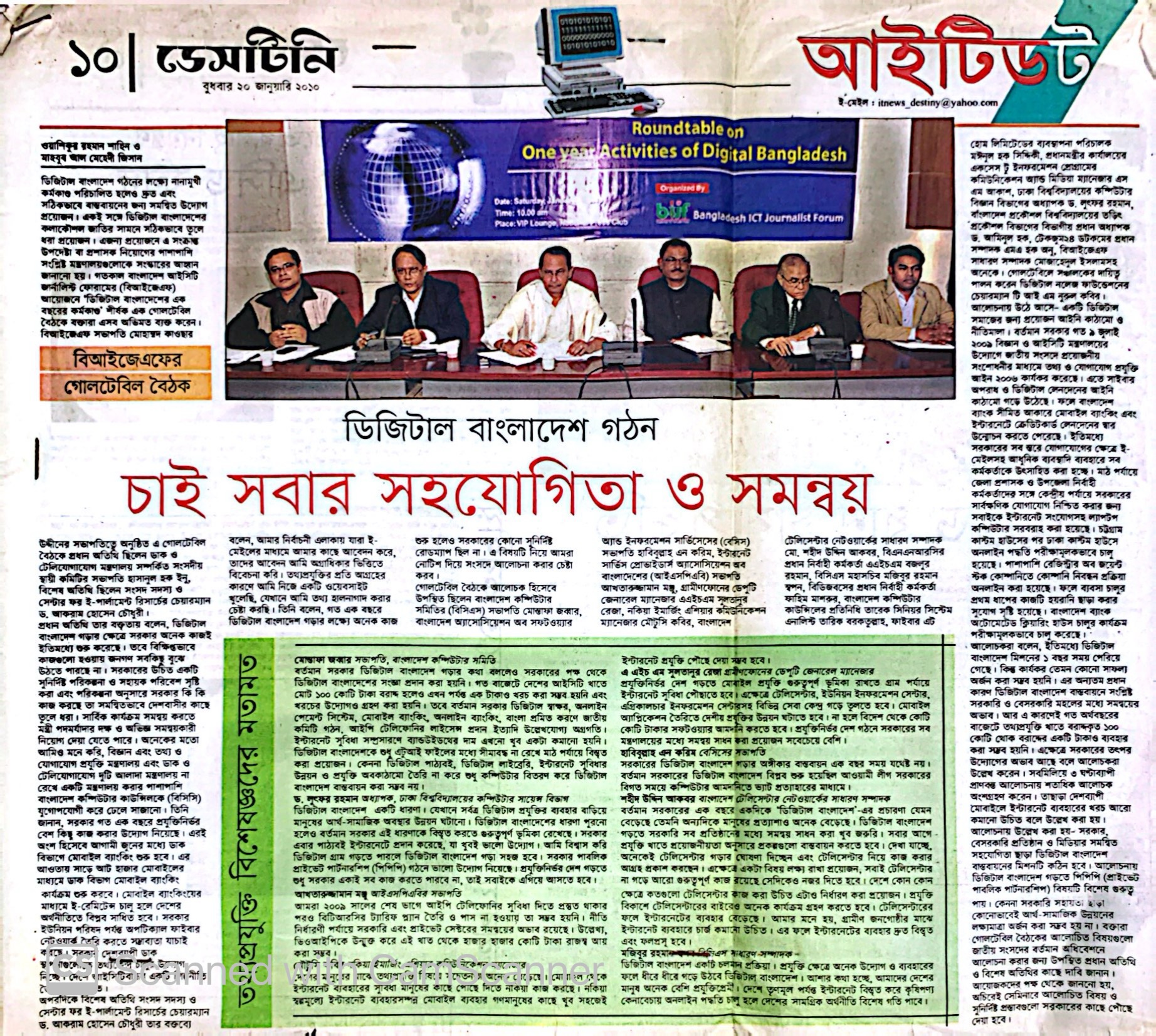
Md.Mojahidul Islam — known to readers as "Dheow" — is one of the few who built that bridge. He's the author behind the Silent Stars sci-fi series, which earned both critical acclaim and solid royalty income.
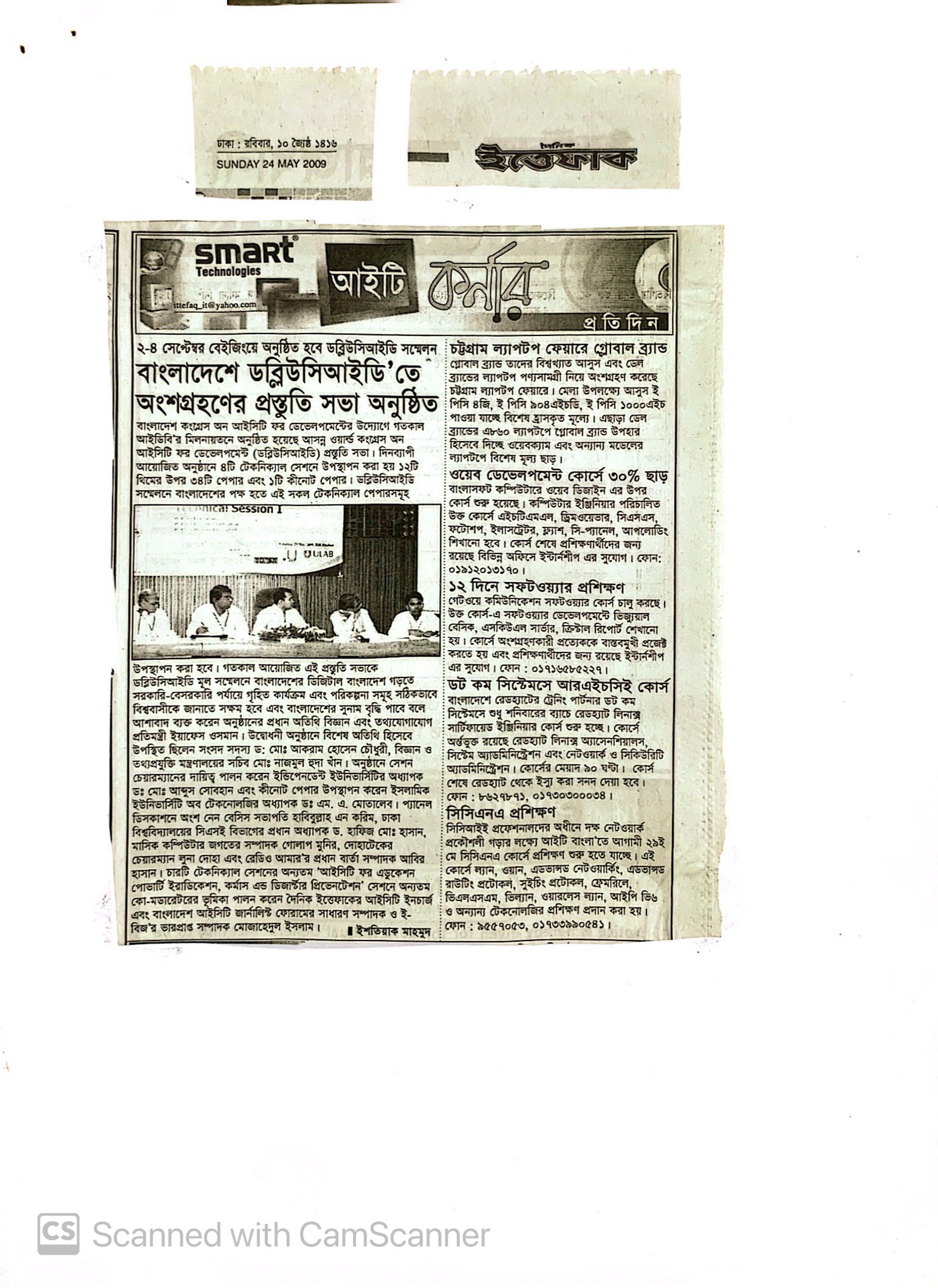
Rewind to 2003. The internet wasn't yet a household fixture in Bangladesh, computers were rare, and Facebook and YouTube didn't exist. In that digital vacuum, Dheow was already writing about computers — in Bangla.
At the time, Bangladesh's ICT sector was just getting started, and most learners had to wade through English-language textbooks to understand it.
Dheow changed that, breaking down technical concepts in Bangla and giving young readers direct access to the digital world.
With a computer science degree, he began writing tech books in Bangla in 2003 and never really stopped. He's since authored more than a dozen ICT titles, read not just in Bangladesh but in West Bengal, India — proof that Bangla-language tech writing has an audience beyond borders.
His early books took off within six months. By the end of the first year, he'd sold over 30,000 copies and earned nearly $15,000 in royalties — more than his annual salary at the time.
That income kept growing, turning him from a hobbyist writer into what's arguably Bangladesh's most successful Bangla ICT author.
He worked with publishers like Systech and Gyankosh Prokashoni, who offered royalties as high as 30% on books priced between Tk 300–500 (especially CD-bundled editions) — well above the 8–15% typical for paperbacks from traditional publishers. "I treat writing like a business," he says. "I invest in editing, cover design, marketing — and I keep showing up."
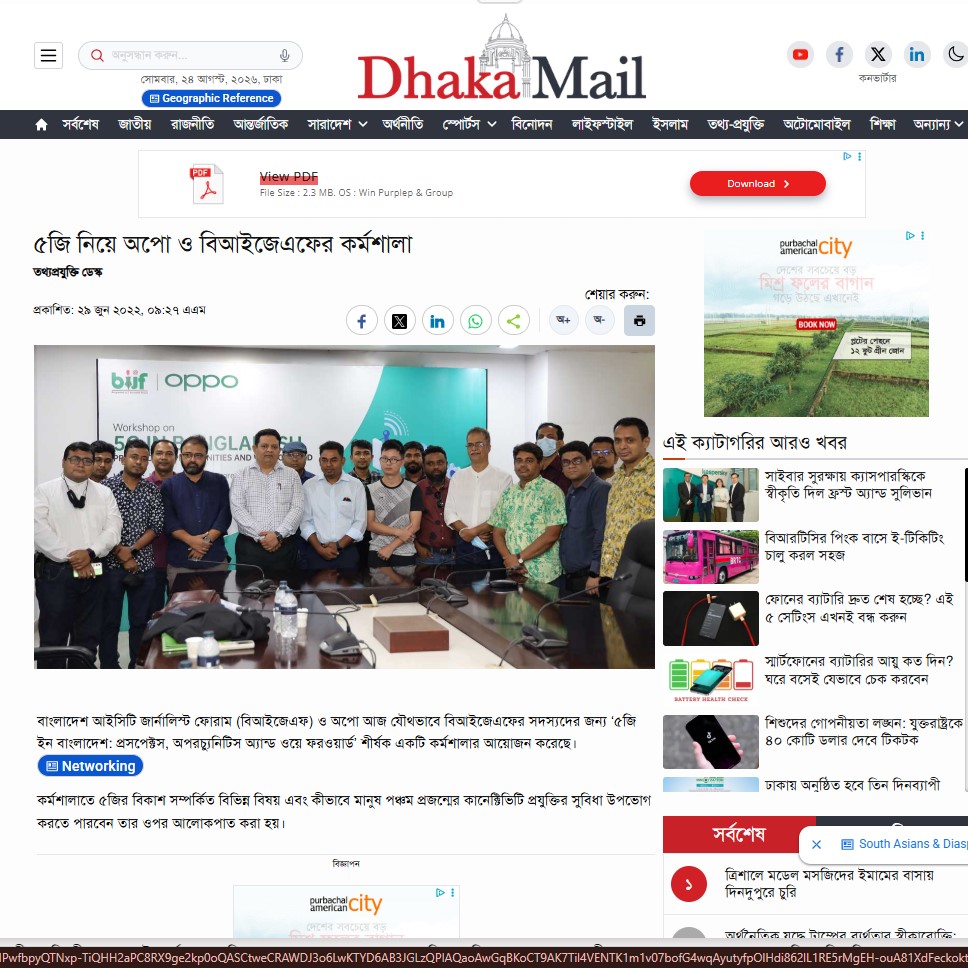
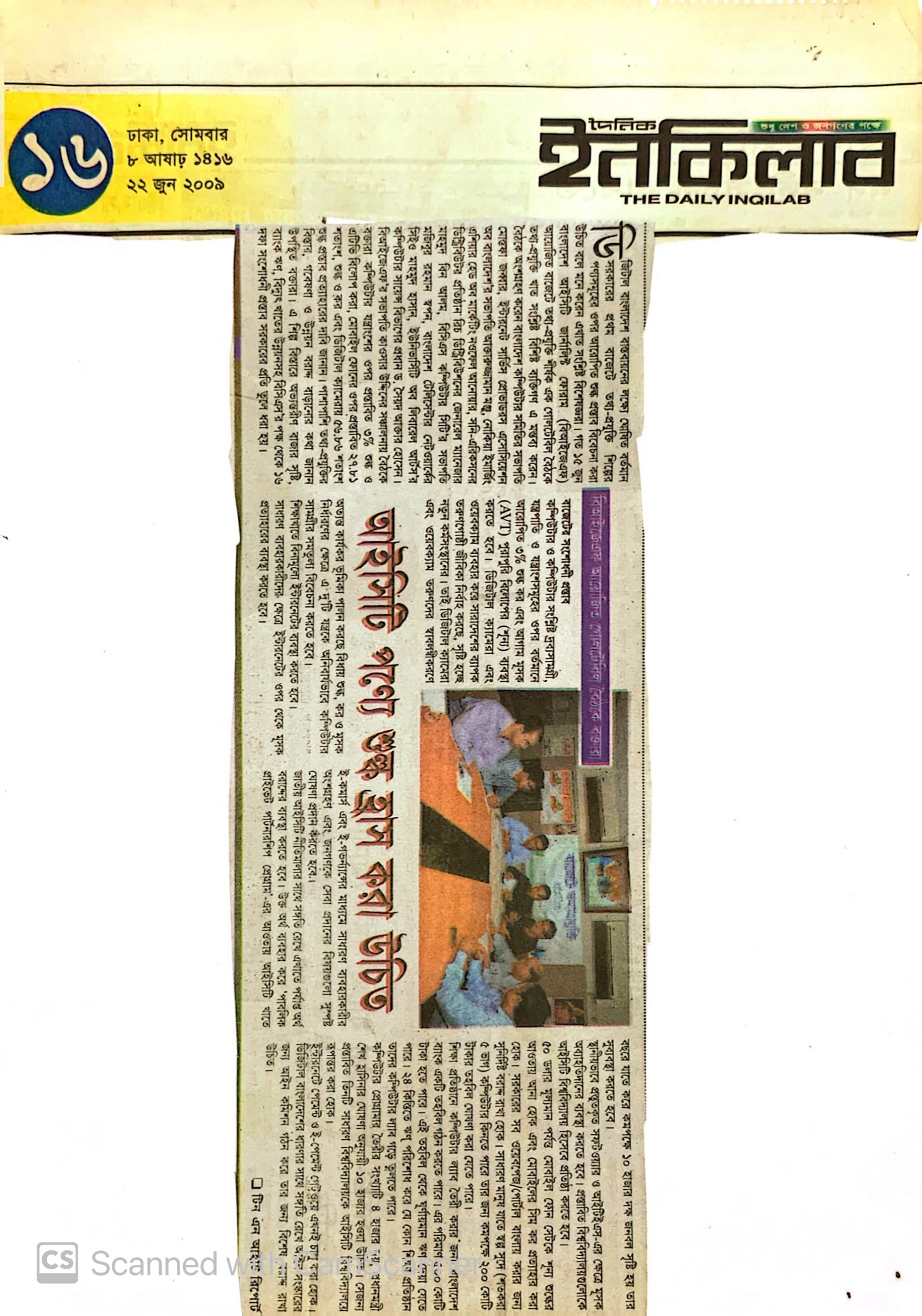
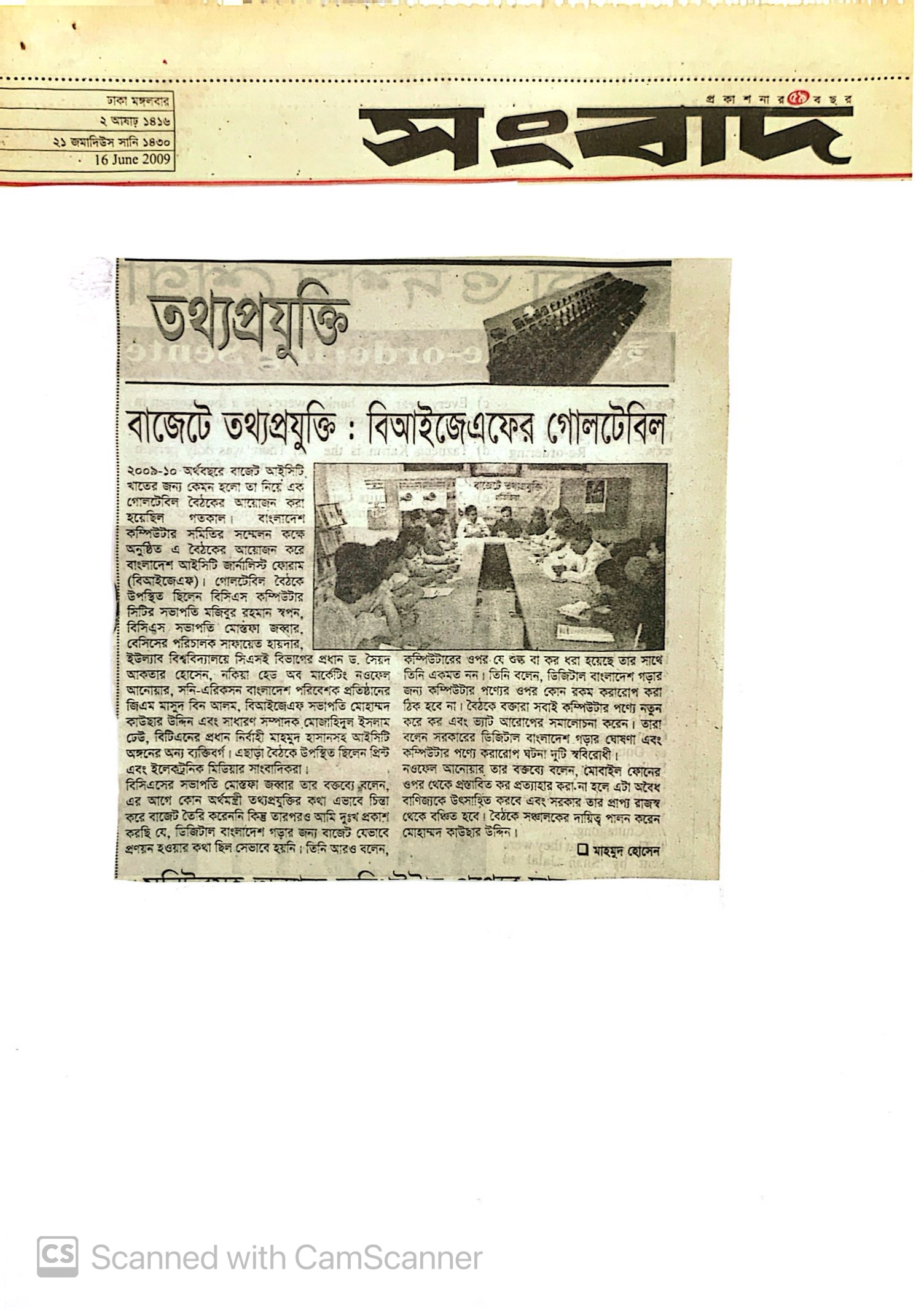
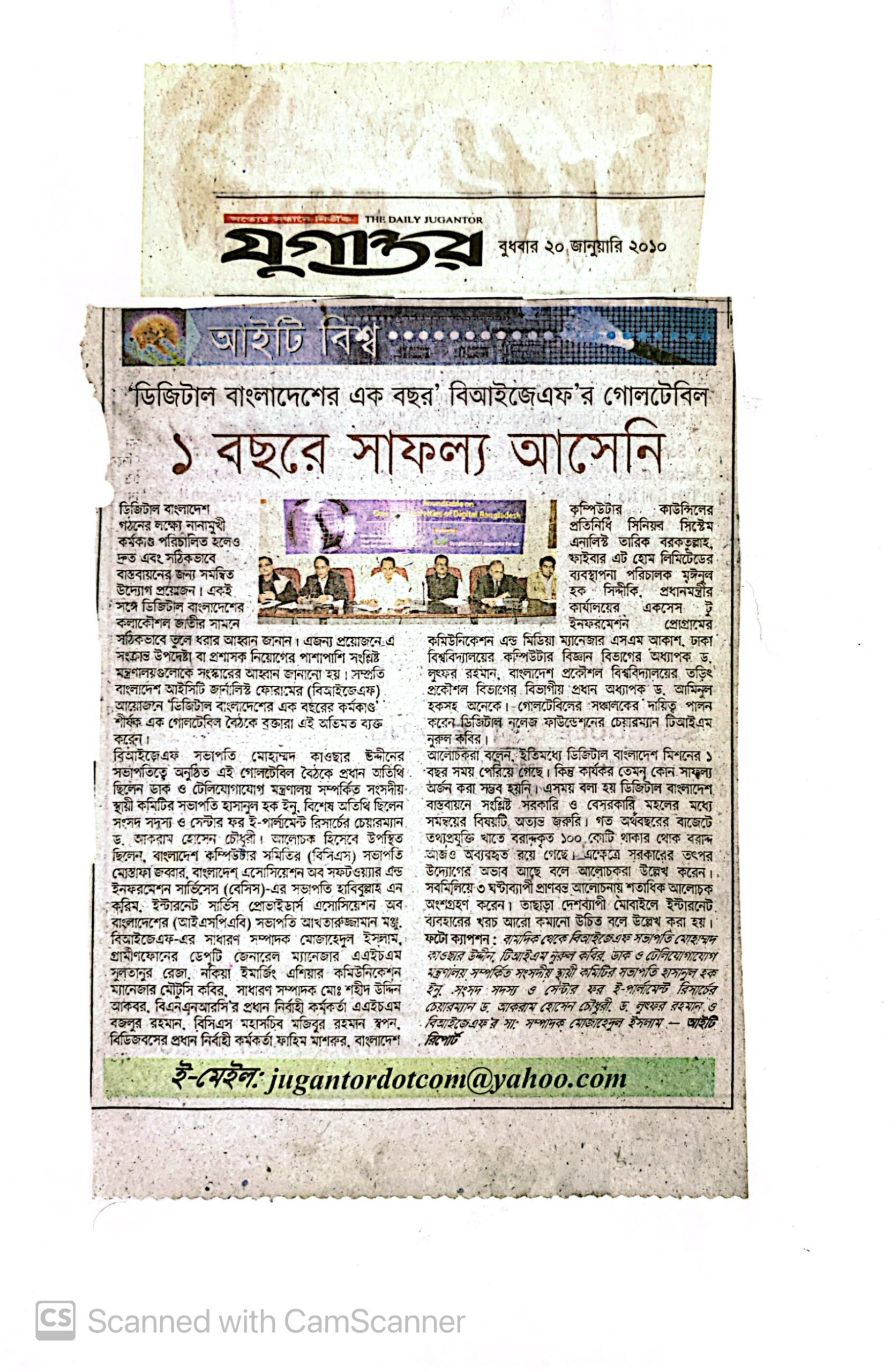
The impact went beyond sales. In 2007, the Department of Youth Development approved his books for a national training program aimed at giving 42,000 unemployed youth hands-on tech skills. In 2017, BANBEIS adopted his books to help train computer teachers nationwide.Despite Bangla being spoken by over 350 million people, it remains underrepresented in tech education — something Dheow wants to change. "Government, researchers, tech experts, linguists — we all need to be part of this," he says.
His notable titles include Practical Networking Handbook, 7 Days to Web Design: Dreamweaver MX, Web Database Application: MySQL-PHP, and Freelancing & Outsourcing: The World of Possibilities, among others.
He's candid about the country's larger challenge: rising graduate unemployment despite academic growth. "Education alone doesn't equal skilled manpower," he says.
Bangladesh still depends on foreign talent — not for lack of ability, but because the system prioritizes memorization over practical skills.
With 46% of the population under 25, Dheow sees a narrow window — roughly a decade — to act: train youth outside Dhaka, build practical skills, and modernize education to match real job demands.
His path wasn't instant success. According to the 2023 Author Income Report, fewer than 10% of authors in Bangladesh earn more annually than Dheow does from royalties — a result of consistent output, sharp marketing, and a loyal readership.
His story makes a simple case: with patience and a smart publishing strategy, writing can become more than art — it can become a business, a legacy, and a way to move an entire field forward.
Daily Morning Observer
Published On 4th June 2025 Page -2