
Books by Mojahidul Islam
Technology Books that Advanced Digital Literacy in Bangladesh
For decades, technology books have played a crucial role in helping people understand computers, the internet, software applications, cybersecurity, and emerging digital technologies. In Bangladesh, Mojahidul Islam Dheow has contributed significantly to this field by authoring more than a dozen Bengali-language technology books that simplify complex ICT concepts for students, teachers, professionals, and general readers.
His publications have served as practical learning resources, making technology education more accessible at a time when digital skills became increasingly important for education, employment, and everyday life.
The Importance of Technology Books in the Digital Age
As digital transformation accelerates across every sector, access to reliable technology education has become more important than ever. Technology books help readers develop essential digital skills, understand emerging innovations, and confidently use modern information and communication technologies.





From Pages to Progress: How Mojahidul Islam Sparked a Digital Literacy Revolution in Bengali
In Tetulia, Panchagarh, near Bangladesh’s northern border, thousands of young people have built new careers through the Ahnaf Computer Training Institute. Over the past 20 years, around 5,000 unemployed youth have trained there, many going on to teaching jobs across the upazila.
The institute’s founder, M.A. Baset, first discovered the power of computer education after reading a Bangla newspaper article by Md. Mojahidul Islam about how technology could transform the lives of unemployed youth. He later found one of Islam’s computer books at Neelkhet in Dhaka’s New Market, bought it, and in 2004 used it to start a training center with a single desktop computer.
That center has since grown into an institute affiliated with the Bangladesh Technical Education Board, running a 360-hour Basic Trade Short Course with 20 computers. Its first class, in 2005–06, had just 20 students taught on two machines, with support from local officials and the Ansari Commercial Institute. It was formally renamed the Ahnaf Computer Training Institute in December 2006.
Md. Rahmat Ali, a computer teacher at Boalmari Girls’ High School, credits Islam’s books with sparking his own interest in IT — training that helped him find work and later helped hundreds of other unemployed youth secure jobs. M.A. Baset says the institute has faced many struggles over two decades but continues creating self-reliant, skilled youth in a remote border region.
A pioneer of Bengali IT writing
At a time when computers were scarce and the internet nearly unheard of in Bangladesh, Mojahidul Islam — known as “Dheow” — became one of the first writers to make information technology accessible in Bengali, aiming to give young people digital skills and a path to employment.
His career began in IT journalism in 2000 at The New Nation, followed by roles at Ajker Kagoj, Computer Barta, and E-Biz, and since 2006 as ICT Editor at The Daily Ittefaq. In 2003, he published some of the first Bengali-language books covering the core skills unemployed youth needed:
- Basic computer operations (hardware, software, file management, operating systems)
- Office applications (Word, Excel, PowerPoint)
- Internet and email
- Graphics and multimedia (Photoshop, Illustrator)
- Online safety and data protection
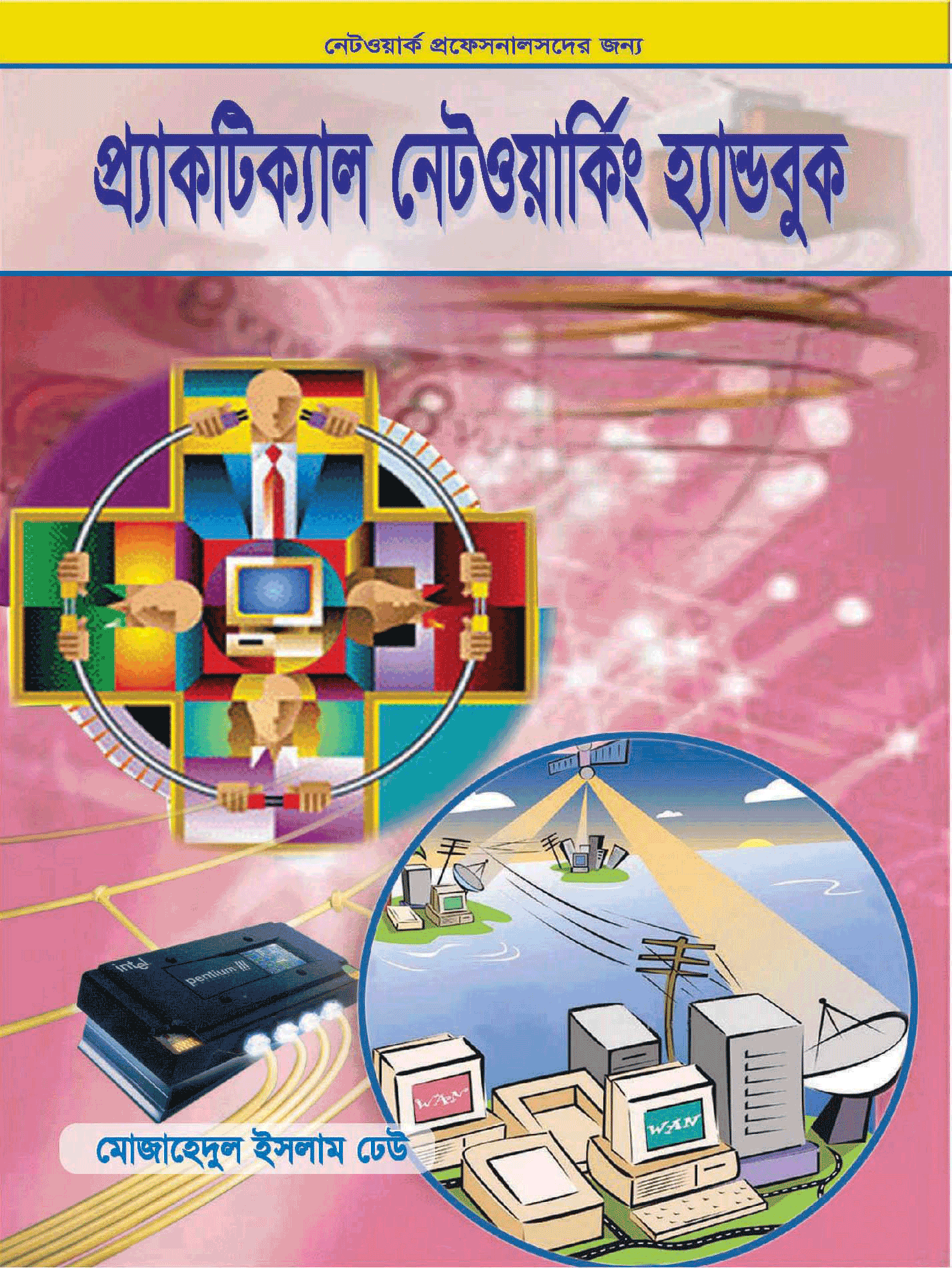
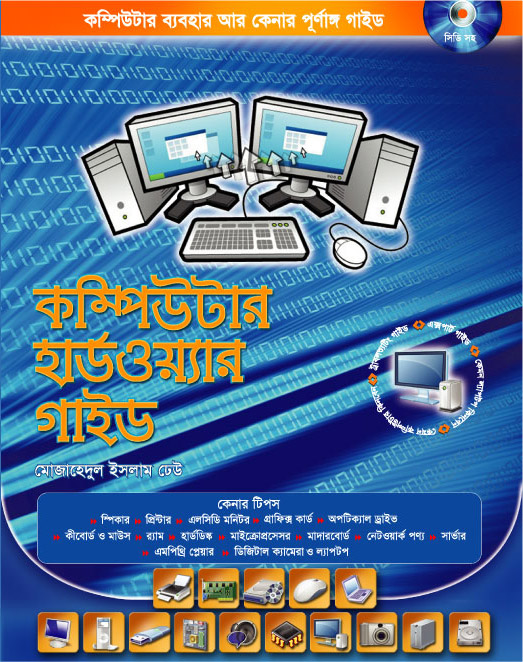
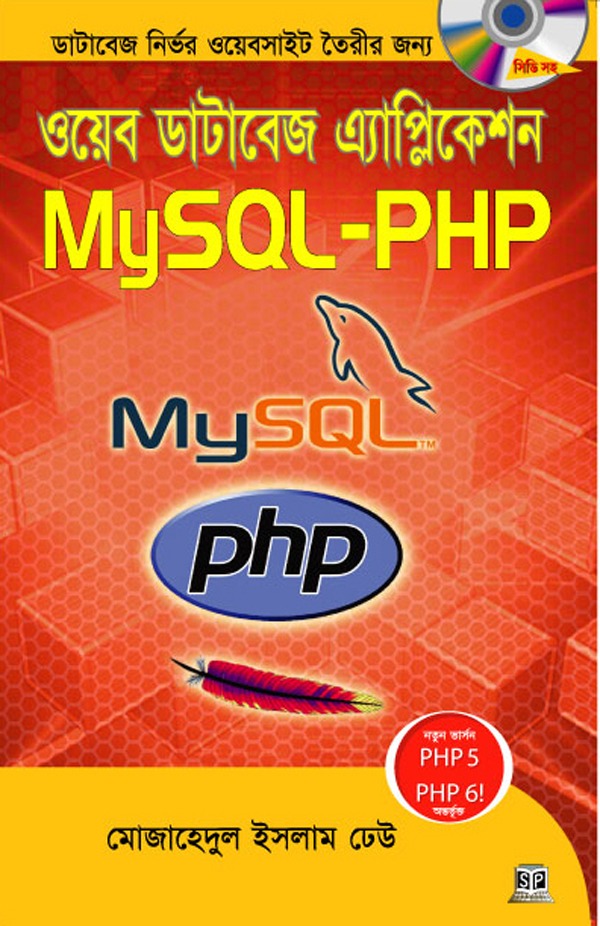
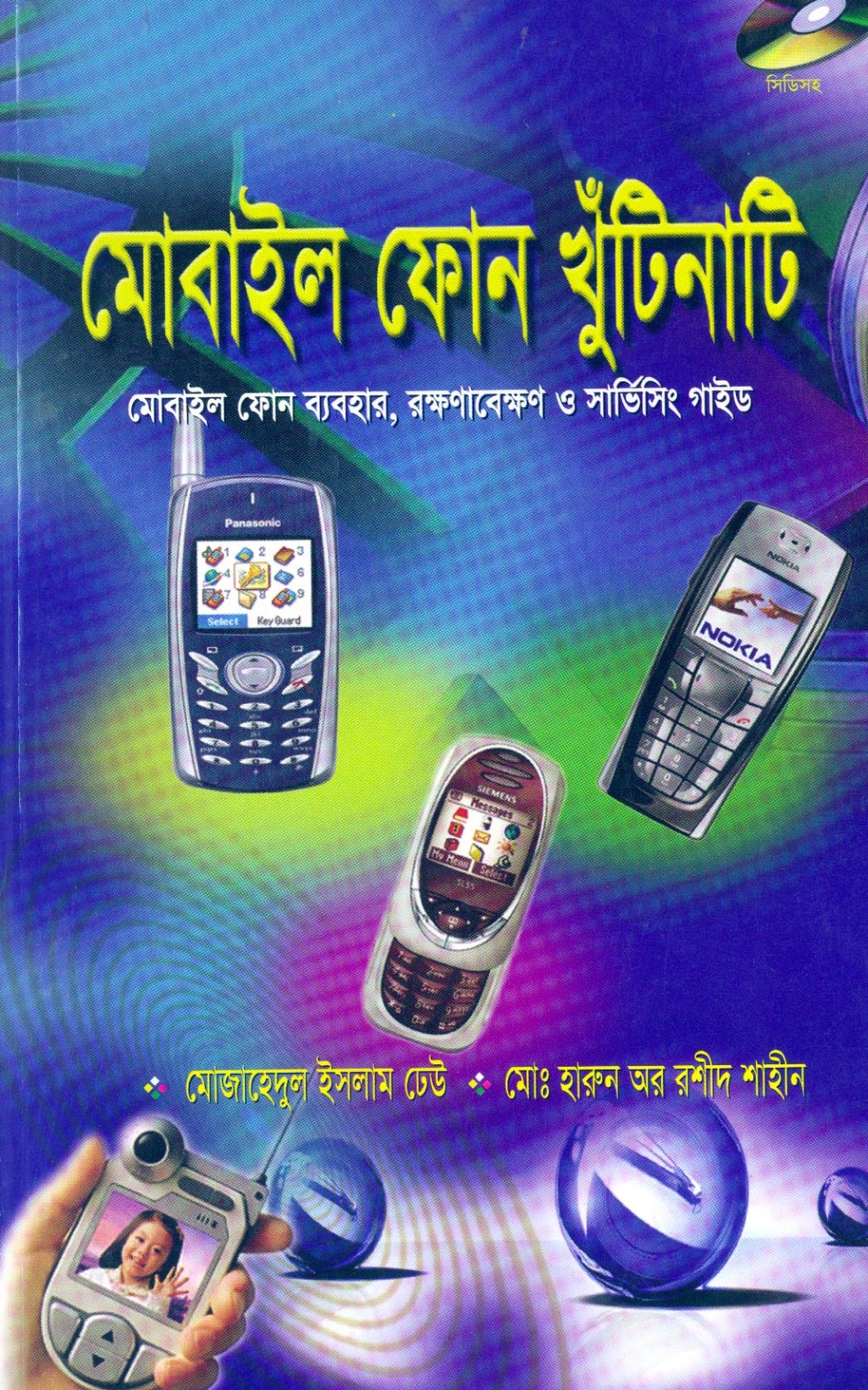
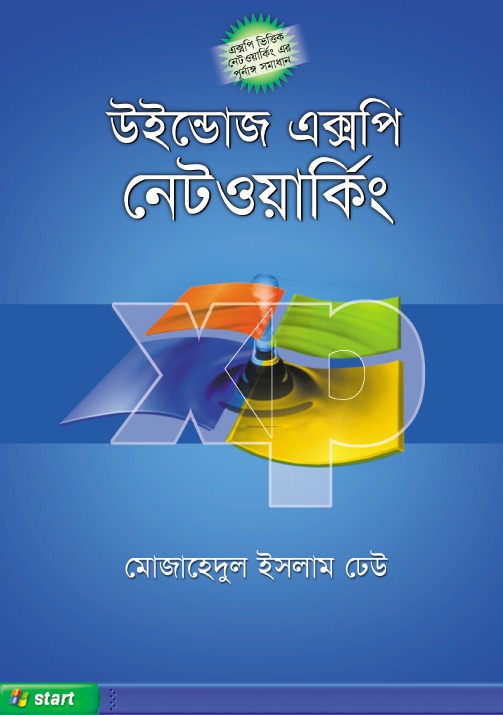
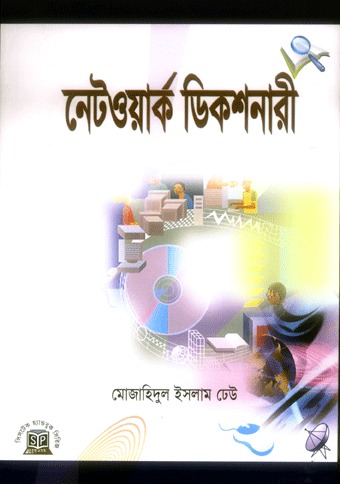
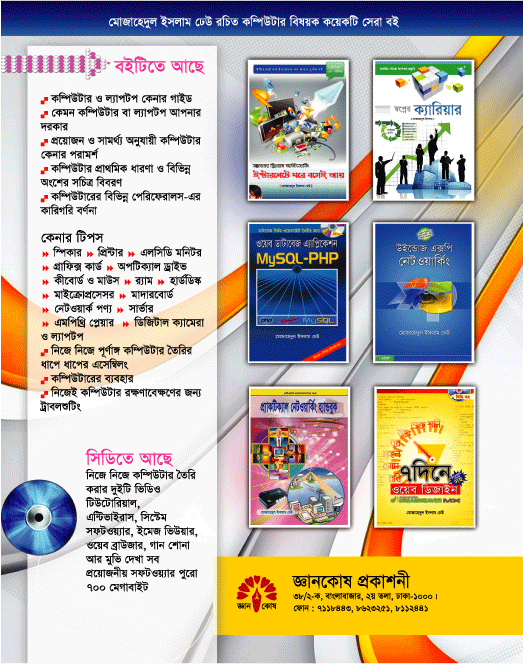
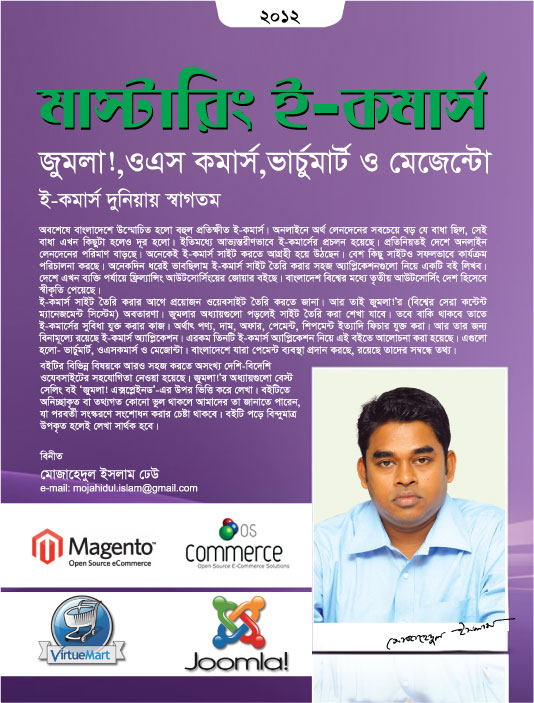
These books filled a major gap at a time when learners otherwise relied on costly, complex English manuals, and became standard teaching material in institutions across the country — and in West Bengal, India. Notable titles include Practical Networking Handbook, Swapner Career, 7 Dine Web Design: Dreamweaver MX, Web Database Application: MySQL-PHP, Mastering E-Commerce, Windows XP Networking, Mobile Phone Khutinati, Network Dictionary, Digital Photography, Freelance Outsourcing of Possibilities, and Computer Hardware.
Government bodies have used his books at scale: the Department of Youth Development adopted them for computer troubleshooting training in 2007, and BANBEIS distributed them to schools nationwide in 2017 to strengthen ICT teaching.
Over roughly 15 years, an estimated 2.3 million students gained basic ICT skills through his books — about 2 million learned to manage email and create office documents, around 500,000 now use government e-services, and at least 18,000 have launched freelancing careers earning foreign income.
His work has also influenced grassroots initiatives such as Amader Gram (telemedicine and online services in Bagerhat), Shidhulai Swanirvar Sangstha’s floating schools in flood-prone areas, solar-powered Floating ICT Centers on remote islands, and DSK’s courses for indigenous youth in Netrokona.
Recognition
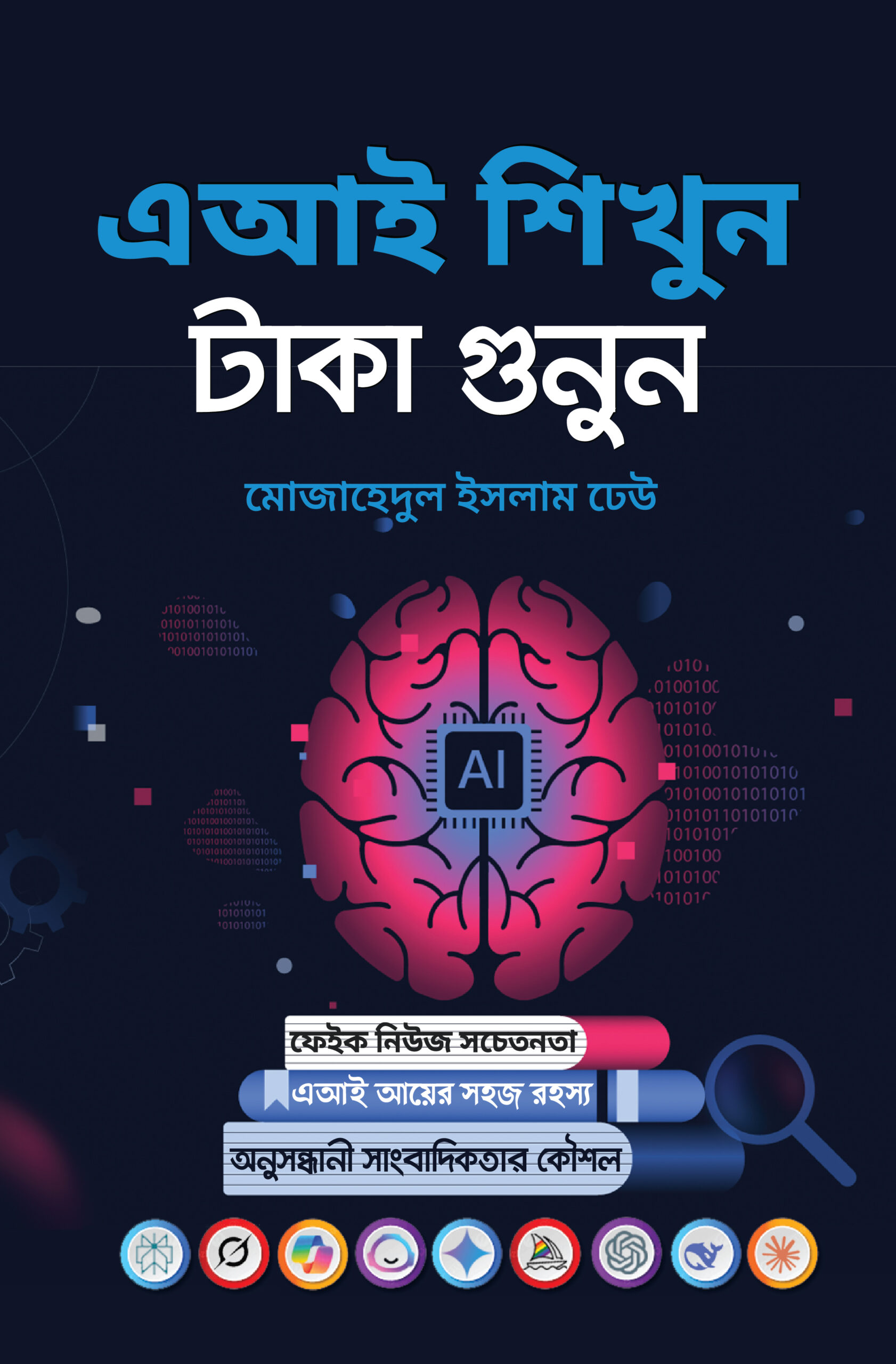
Islam is a lifetime member of the Bangladesh Computer Society and is affiliated with the Internet Society, the Online Editors Alliance, the Dhaka Union of Journalists, and the Bangladesh Federal Union of Journalists. He holds a Thomson Reuters Foundation fellowship in finance and business journalism, along with training in internet resource management, AI, data-driven journalism, and digital marketing.
His awards include the Prominent ICT Journalist Award and Digital Bangladesh Award (2022), IT Journalist of the Year (2022), Best Author Award (2021), ICT Journalist of the Year (2020), e-Commerce Movers Award (2020), Bangladesh Master Brands recognition (2019), iTel Mobile Award (2017), International Quality Crown Award (2017), Best Tech Reporter Award (2011), the Century International Gold Quality ERA Award (2010), the British Council’s Best Media Coordinator Award (2010), and the title Pioneer of IT Journalism in Bangladesh (2009).
He has judged the CTIA Emerging Technology Awards (USA) and national ICT competitions, and has spoken at forums including the NASA Space Apps Challenge and the Bangladesh Internet Governance Forum. He served as General Secretary of the Bangladesh ICT Journalists Forum from 2007 and was elected its President in 2019.
Source:https://dailyasianage.com/news/341177/from-pages-to-progress-how-mojahidul-islam-sparked-a-digital-literacy-revolution-in-bengali